



Here’s a fact about back pain that may bring you some comfort: it’s one of the most common musculoskeletal complaints in the world. Around 80% of people will have back pain at least once. So, if you’re suffering now, you probably aren’t the only one!
Of course, that thought does little to help if your back pain keeps you from performing day-to-day activities — as it often does. Back pain is often accompanied by mobility restrictions that make walking, rising from sitting, or bending over difficult. And if left untreated, it can sometimes lead to long-term pain and dysfunction.
At Terry Physical Therapy, we know how debilitating back pain can be. Our team of dedicated physical therapists will help you understand the cause or causes of your back pain and work with you to develop a personalized treatment plan that will let you get back to the activities you love to do.
Contact our clinic today to set up your initial consultation!
What Causes Back Pain?
One of the reasons that back pain is so common is that it’s associated with several different injuries, underlying conditions, or lifestyle factors. That said, most back pain is non-specific, meaning it’s not caused by a specific disease or specific structural problem, but caused by mechanical issues. Mechanical issues are difficult to pinpoint and may include multiple tissues in and around the spinal joints.
The first step in treating your back pain is understanding what’s contributing to it. Our therapists will perform a comprehensive evaluation to help us learn as much as possible about your experience with back pain, including screening for any mobility limitations or weakness you’re struggling with.
Here are some of the more common sources of back pain that we see at our clinic:

Strains and Sprains
A strain occurs when you injure the muscles in your back. A sprain occurs when you injure the ligaments that link your spinal vertebrae. Both can cause pain and limited mobility, and they often result from lifting with improper form (such as twisting while lifting) or attempting to lift something too heavy.
Herniated Discs
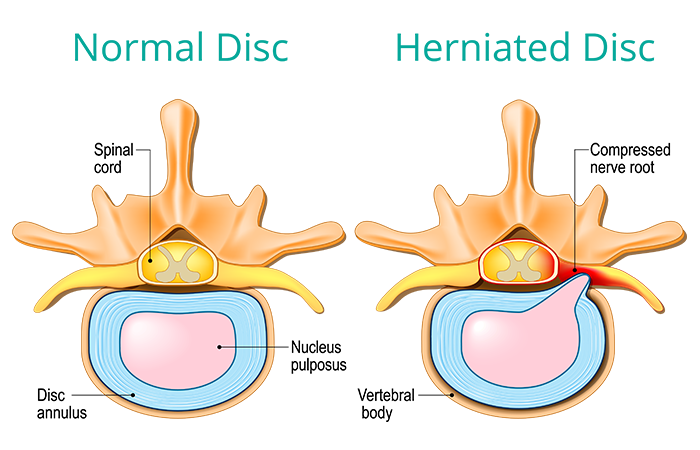
Soft, flexible discs separate and cushion your spinal vertebrae. If one of those discs herniates — that is protrudes out — and irritates a nearby nerve, it can lead to intense pain, feeling “stuck” in a stooped over position, and often pain down the leg known as sciatica.
Osteoarthritis
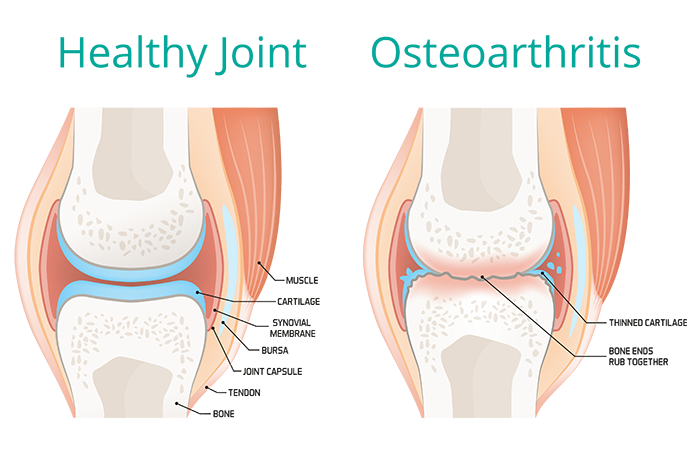
Osteoarthritis is the most common form of arthritis in the world, occurring when the cartilage and bone tissue in a joint degenerate and become inflamed. While we often associate it with the hips, knees, or hands, it can occur in the spine, too. Spinal osteoarthritis is sometimes called spondylosis.

Lifestyle Factors
Several factors can contribute to lower back pain, including improper posture, prolonged sitting, or weakness in the muscles that wrap and support your spine (your core muscles).
Why Physical Therapy at Terry Physical Therapy Is Your Back Pain Solution
While back pain often resolves on its own within 1-3 months, physical therapy is an excellent choice for people with particularly intense pain or extremely restrictive mobility. It’s also useful for people with chronic back pain — defined as pain that lingers past that three-month mark.
We customize all our back pain treatment plans according to your specific needs: the location and severity of your back pain, any mobility restrictions, your ability level, and overall goals. We’ll work to address the underlying issues causing your pain rather than simply masking the symptoms.
How will we do this? Through a blend of the following techniques:
- Manual therapy helps manage pain, promote blood circulation, and improve mobility.
- A personalized therapeutic exercise plan improves the strength, flexibility, and endurance of your back and core muscles. Muscle weakness significantly contributes to lower back pain, so exercise is a must.
- Specialized training, such as proper techniques and activities that simulate functional movements you’ll need to perform (i.e., squats, lunges, lifting, etc.).
- Prevention strategies help reduce future back pain incidents. These strategies might include postural corrections or suggestions for at-home exercises, such as a walking program or regular strength and mobility practice.

Get Moving Again with Physical Therapy!
Back pain is more than just pain. It can severely restrict your mobility, leading to less exercise and movement, further contributing to pain and dysfunction. The Terry Physical Therapy team is here to help you break that cycle and find relief from back pain for good.
Contact us today to schedule an appointment!

Did you know that being grateful is actually good for your health? It’s true!
We all love Thanksgiving for the excellent food, football, and time spent with family, but truthfully, this holiday means much more. Practicing gratitude can lead to greater happiness all year long.
According to Harvard Health Publishing, “Gratitude helps people feel more positive emotions, relish good experiences, improve their health, deal with adversity, and build strong relationships.”
If you want to implement more gratitude in your own life, take a look at these 3 tips.
1. Write thank you letters
Remember writing thank you letters? How long has it been since you wrote one? You don’t need to have a wedding, graduation, or other big life event to thank the people in your life. Try writing thank you letters to your friends and family for the little things– you’ll be surprised at how good it feels!
2. Write down what you are grateful for everyday
This might sound intimidating, but it doesn’t have to be! Take a few minutes each morning or evening to write down at least 3 things that you are grateful for in your life. This repeated action helps us shift into a more positive mindset and can help fight symptoms of depression and anxiety.
3. Use visual reminders
It can be hard to remember to practice gratitude. With your hectic schedule, sometimes it can feel impossible to sit down, take a moment to breathe, and reflect on your blessings. Visual cues can be a great tool for reminding us to take a beat.
Something as simple as sticky notes, a poster, or even your home screen on your phone or laptop can help us remember to slow down and shift to a positive mindset.
Feel Better by Eating Better!
Oatmeal Pancakes With Cinnamon Apples
- 1 1⁄2 cups buttermilk
- 3⁄4 cup instant rolled oats
- 3⁄4 cup whole wheat flour
- 2 Tbsp milk
- 1 Tbsp melted butter
- 1 1⁄2 tsp baking powder
- 1⁄2 tsp baking soda
- Pinch of cinnamon (plus 1⁄8 tsp for the apples)
- Pinch of nutmeg
- 1 Granny Smith apple, peeled, cored, and chopped
- 1⁄2 cup apple juice
- 2 Tbsp brown sugar
- Butter or cooking spray
In a large mixing bowl, combine the buttermilk, oats, flour, milk, butter, baking powder, baking soda, pinch of cinnamon, and nutmeg. Stir to gently combine, then set aside to rest for a few minutes. Combine the apple, apple juice, brown sugar, and remaining 1⁄8 teaspoon cinnamon in a small saucepan and bring to a simmer. Cook until the apple has softened and the liquid has thickened. Preheat the oven to 200°F. Heat a large nonstick or cast-iron skillet over medium heat. Adding a bit of butter/cooking spray before each round, scoop 1⁄4-cup portions of batter into the skillet and use a spatula to spread into thin, even circles. Cook 2 to 3 minutes, then flip and cook for another 2 minutes. Keep pancakes warm in the oven while you finish cooking. Serve topped with the warm apples.
Exercise of the Month
Angel On Back
Start by lying flat on your back with your arms straight down by your sides, your palms down, and your legs together. Slowly slide both arms straight up over your head and simultaneously slide both legs outward. Slide your arms back down and your legs back in. Repeat 3 sets, 10 reps each.


You Deserve to Feel Your Best!
Ready to continue your progress? Schedule your next appointment with Terry Physical Therapy today, and let’s get you back to feeling your best! Whether you’re recovering from an injury or maintaining your wellness, we’re here to support you every step of the way.
Follow Us on Social Media!
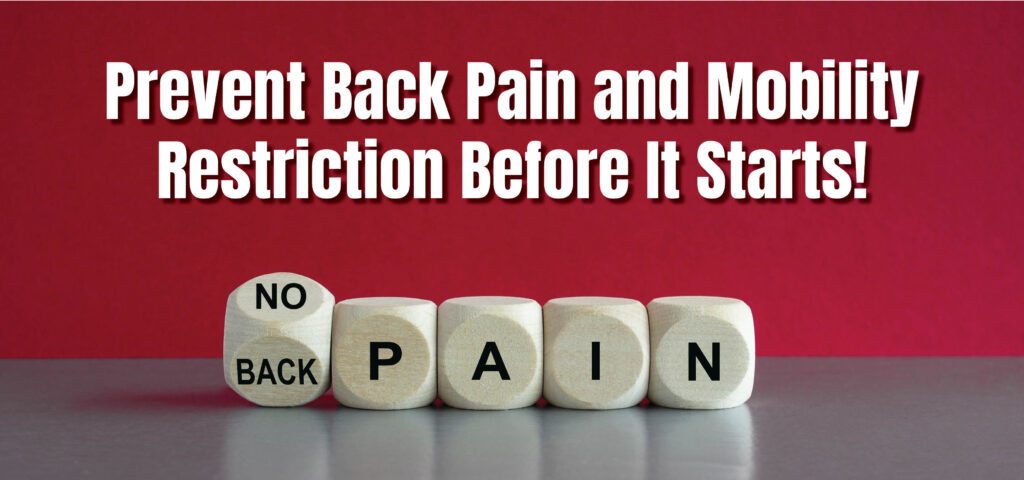
Do any of these statements apply to you?
- I have a job that requires me to sit at a desk.
- I struggle to find time to exercise regularly.
- I never learned proper lifting techniques.
- People frequently tell me I slouch.
If so, you may be at a higher risk of developing back pain. Several lifestyle factors can increase the likelihood of an injury leading to back pain. Fortunately, physical therapy at Terry Physical Therapy is a great choice not only for resolving back pain but for stopping it before it even begins!
Three Simple Back Pain Prevention Tips
Tip 1: Exercise. Regular physical activity helps strengthen the muscles that support and stabilize your spine. Find something that suits your interests and ability level, such as daily walks, simple resistance exercises, or dance fitness classes.
Tip 2: Minimize Sitting. Prolonged sitting can have wide-ranging effects, including increased pressure on your spine. If you have a desk job, get up and move around every 30 minutes or so, even if it’s just to stand up and stretch.
Tip 3: Ask for Help. When it comes to lifting heavy objects, don’t get ambitious! Ask for help when lifting anything heavy or awkwardly shaped, and make sure you’re using proper lifting techniques. Not sure what those are? Our therapists will happily show you how to lift without risking injury. While these tips can get you started, the Terry Physical Therapy physical therapists can help you develop a customized back pain prevention plan. We’ll help you identify any lifestyle factors that might put you at risk of developing back pain and then work with you to address them.
Thank You for Subscribing to Terry Physical Therapy
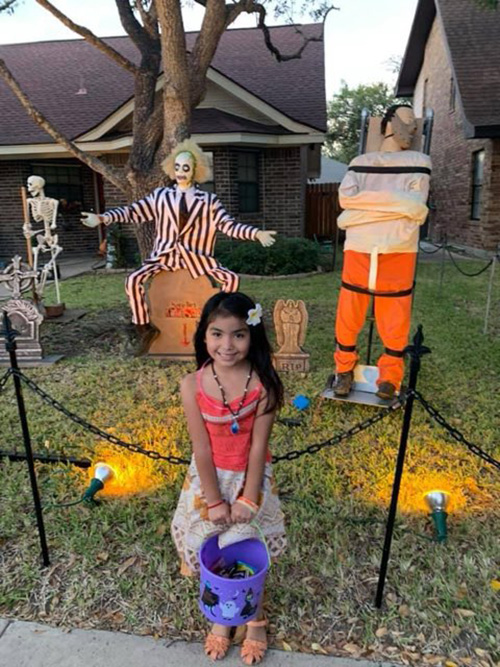
Happy Halloween!





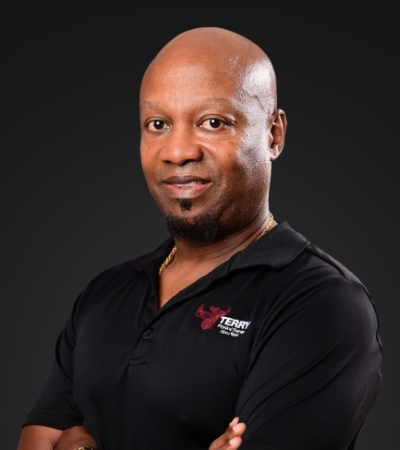
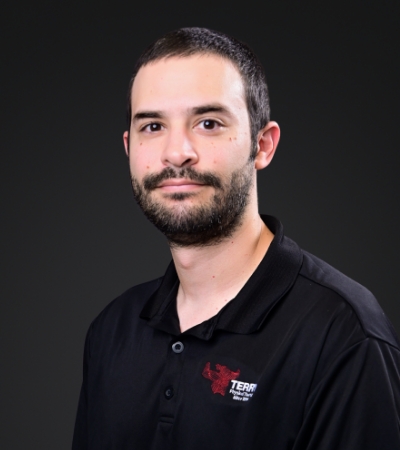
Meet Our Team

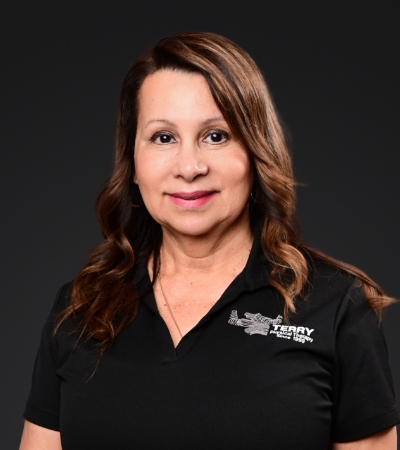
Administration

Marsha Terry
RN MSN- Administrator

Letty Rosales
Office Manager
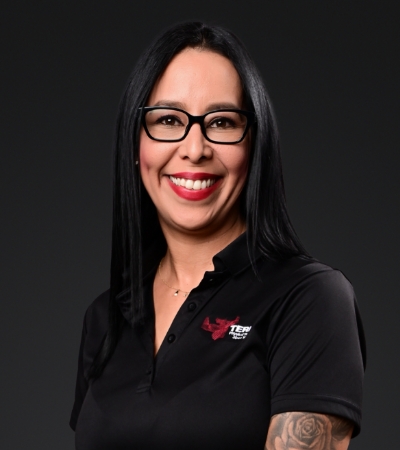
Monica Gutierrez
Billing Manager