

You know it’s important to work through your physical therapy exercises, but when you’re dealing with intense joint pain, doing so can feel impossible. You may be tempted to avoid your sessions altogether–but that’ll just complicate your rehabilitation and possibly lead to long-term issues.
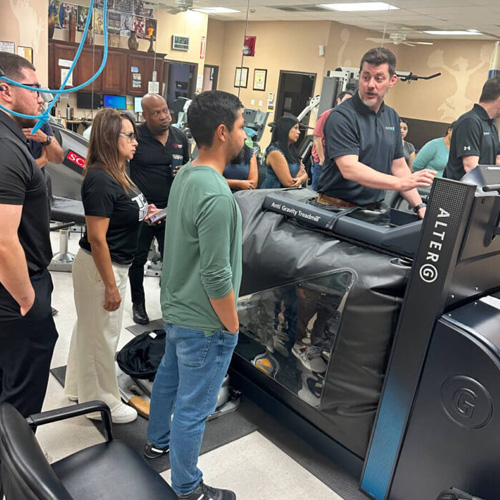
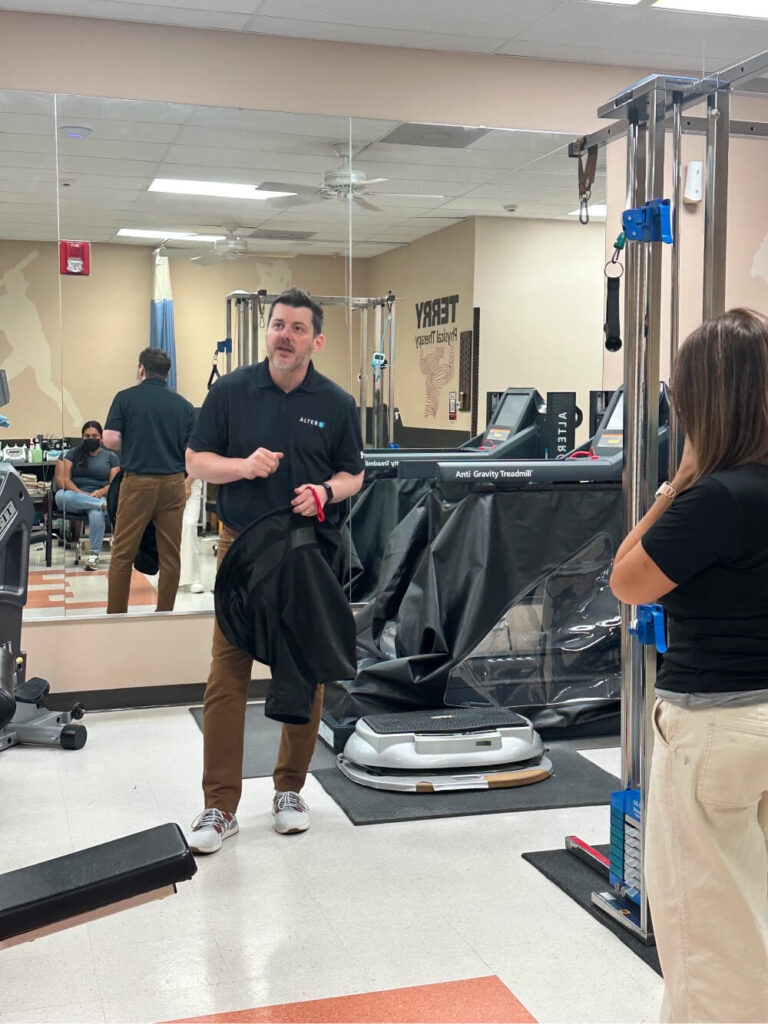
Never fear! We recently added an exciting new piece of equipment to our Mission clinic to help you work through prescribed exercises with significantly less discomfort: the AlterG anti-gravity treadmill, which blends space-age technology with tried-and-true rehabilitation practices.
What Is the AlterG Treadmill?
The AlterG isn’t just another treadmill. It uses air pressure to reduce the weight on your body while you walk or run, allowing you to exercise without putting too much strain on your joints or muscles. Less strain means less pain during movement.
NASA originally developed the technology used in the AlterG treadmill to help astronauts train for low-gravity environments. However, it’s become available in the last few years to help people rehabilitate after injuries and surgeries.
By adjusting the amount of body weight you bear, the AlterG allows you to move naturally while reducing stress on painful or injured areas. This helps you more easily rebuild strength and function.
Four Benefits of the AlterG Treadmill
Less Pain While Walking
- By reducing the impact on your lower body, you can walk longer without discomfort.
Safer Recovery After Surgery
- Early movement facilitates healing by improving circulation and preventing stiffness–and the AlterG lets you get moving with less discomfort.
Improved Strength and Endurance
- As you recover from injury or surgery, you can work on regaining muscle strength without worrying about reinjury.
Confidence to Move Again
- A fear of pain or falling can keep you from staying active. The AlterG provides a safe, effective way to rebuild confidence in movement.
When Might We Use the AlterG Treadmill?
Post-Surgery Recovery
- Moving too soon after knee, hip, or ankle surgery can be risky, but staying inactive can impede recovery. The AlterG lets you start walking sooner with less strain on healing tissues.
Joint Pain and Arthritis
- Arthritis and other types of chronic joint pain can make walking difficult. Reducing weight-bearing pressure makes movement more manageable and less painful, allowing you to get the exercise that can help you manage your symptoms.
Sports Injuries
- Sprains, fractures, and muscle tears heal more efficiently when you can exercise without adding too much stress to the affected area. The AlterG allows gradual reintroduction to activity without making the injury worse.
Neurological Conditions
- For those recovering from a stroke or dealing with conditions like multiple sclerosis, the AlterG offers a safe way to practice walking with improved stability and control.
Balance and Gait Disorders
- The AlterG provides a secure environment to retrain movement patterns and build confidence without the risk of falling.
What to Expect When Using the AlterG
Using the AlterG is simple. You’ll wear a special pair of shorts that connect to the treadmill’s chamber. Once zipped in, the machine inflates around your lower body, reducing the amount of weight and pressure on your legs. One of our physical therapists will help set the right level of weight support based on your condition and recovery goals.
Sessions usually start with light walking and progress based on how you feel. Over time, as your strength and stability improve, we’ll reduce support until you’re moving full weight again.
Find Out If the AlterG Can Help You!
Injuries and joint pain can make daily life difficult–especially if you work a physically demanding job. Worse, taking months off for recovery isn’t always an option.
That’s why the Terry Physical Therapy team is so excited about the AlterG treadmill. Its anti-gravity technology makes it easier to stay active, rebuild strength, and fully rehabilitate. If you’ve been dealing with pain or are recovering from an injury or surgery, this could be the tool that helps you get back to work and daily activities more comfortably.
Curious to see if the AlterG is the right fit for your recovery? Our physical therapists can let you know for sure. Schedule an appointment today to get started.

Celebrate St. Patrick’s Day with this festive and delicious recipe, perfect for bringing a taste of Irish charm to your table! ☘️🍽️
Feel Better by Eating Better!
Slow Cooker Irish Stew
1 tablespoon olive oil, or to taste
2 pounds beef chuck roast
3 russet potatoes, diced
1 pound baby carrots
1 large onion, chopped
4 cloves garlic, minced
1 (16 ounce) bottle stout beer
1 (6 ounce) can tomato paste
1 cup beef broth
1 tablespoon garlic powder
1 tablespoon onion powder
1 tablespoon smoked paprika
salt and ground black pepper
Heat olive oil in a skillet over medium heat. Add beef; cook until evenly browned, 3 to 5 minutes per side. Place potatoes, carrots, onion, and garlic in a slow cooker; top with browned beef. Pour 1/4 cup beer into the same skillet and bring to a boil while scraping the browned bits of beef off of the bottom of the skillet with a wooden spoon. Stir in tomato paste; cook until thickened, about 5 minutes. Pour beer mixture into slow cooker. Pour beef broth, remaining beer, garlic powder, onion powder, paprika, salt, and pepper into slow cooker. Cook on Low for 8 hours.

Spring Is Running Season! Are You In Your Best Shape?
Are you looking forward to starting running again after a long winter? At Terry Physical Therapy, our therapists understand running injuries, and we will make sure you run pain-free this spring!
Runners are often misled into believing unproven solutions to avoiding pain and injury. Not many people know that the number-one risk factor for runners to sustain an injury is having had an injury in the last 12 months.
The other most common risk factors are:
- Running experience of 0–2 years
- Restarting running after extended rest
- Overtraining (i.e., more than 40 miles per week)
To ensure you can get back to running or increasing your mileage without pain or injury, start with an injury evaluation and a biomechanical assessment to identify any factors that could contribute to pain or injury.
Our therapists will take a thorough history to understand your training schedule, previous injuries, and overall health status. We use this information to create an individualized program to alleviate pain and get you back to running without limits.
Request an appointment at Terry Physical Therapy today!

Exercise of the Month
Bilateral Horizontal Shoulder Abduction with Band
Start by standing up straight and holding one end of a resistance band in each hand. Raise your arms straight out in front of you. Pull your shoulder blades together. Spread your arms straight out to your sides, pulling the band apart. Once you have reached your maximal range of motion, let your arms come back in.



You Deserve to Feel Your Best!
Ready to continue your progress? Schedule your next appointment with Terry Physical Therapy today, and let’s get you back to feeling your best! Whether you’re recovering from an injury or maintaining your wellness, we’re here to support you every step of the way.
Follow Us on Social Media!
Thank You for Subscribing to Terry Physical Therapy
Meet Our Team


Administration

Marsha Terry
RN MSN- Administrator

Letty Rosales
Office Manager
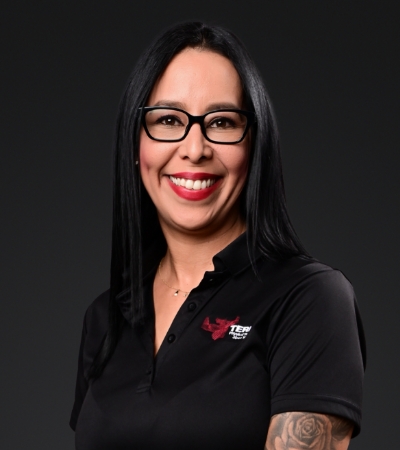
Monica Gutierrez
Billing Manager