


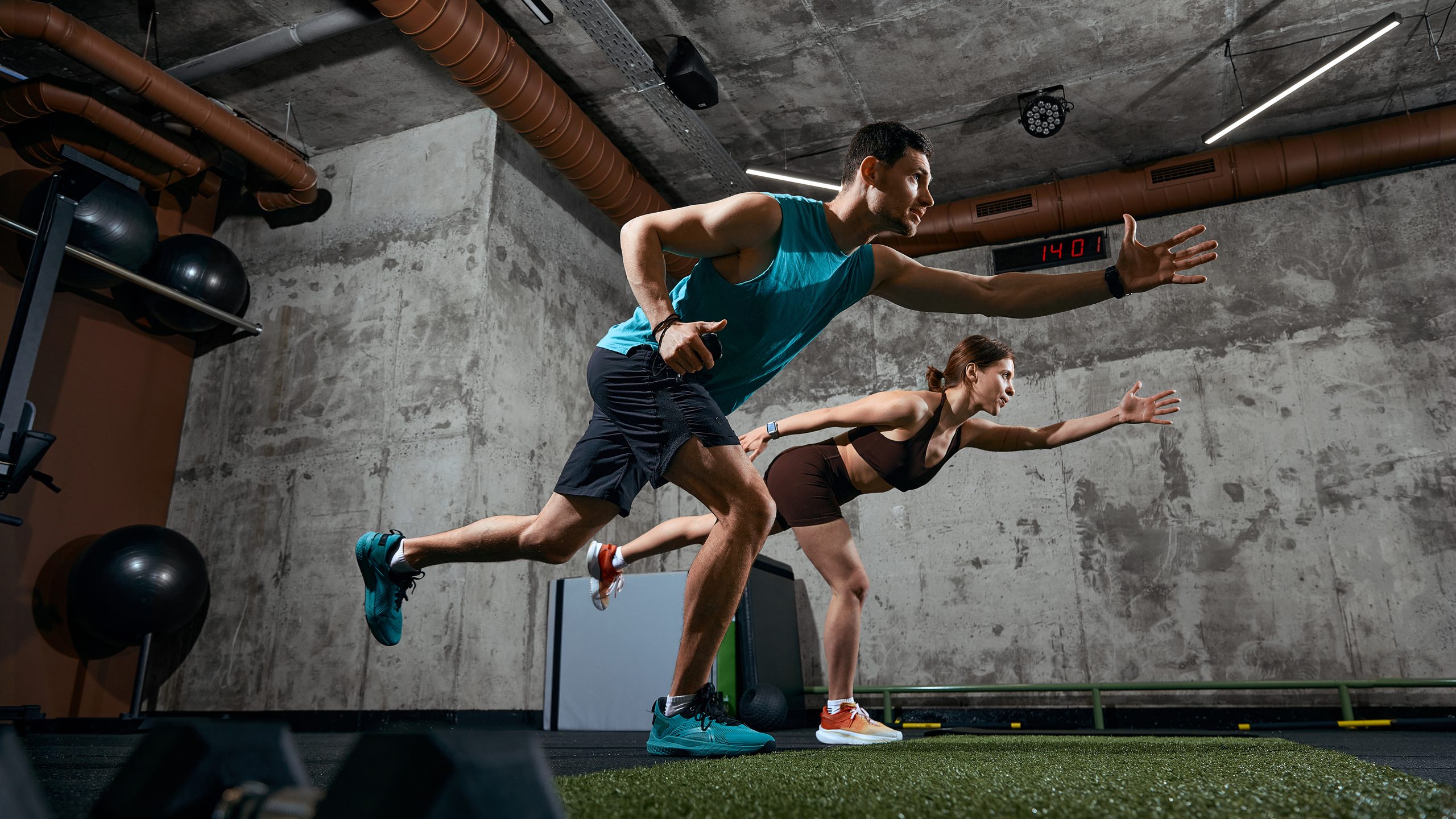
Why Balance Training Matters at Every Age
Steady on Your Feet, Strong on the Job
Many people hear “balance training” and assume it only applies to older adults working on fall prevention. In reality, however, good balance matters long before retirement age, especially if your job keeps you on your feet.
Whether you’re standing behind a cash register, climbing ladders to repair a roof, or navigating heavy equipment at a construction site, your body is constantly working to keep you steady. And improving that ability plays a big role in helping ensure you can handle the physical demands of your workday.
That’s why the team at Terry Physical Therapy helps guide adults of all ages through targeted balance training tailored to their specific needs.
Five Reasons Balance Training Belongs in Every Worker’s Toolkit
1. Your Job Requires Balance More Often Than You Think
Balance isn’t just about the ability to stand on one leg. You’re actually using your body’s balance systems every time you take a step or reach to grab something off a high shelf (to name two examples). Essentially, any time you’re moving, your body has to continually make small adjustments to keep you stable.
These demands can become even greater when you’re faced with various on-the-job obstacles, including:
- Walking across gravel, grass, or mud
- Climbing up a ladder
- Carrying tools, boxes, or supplies
- Working in tight spaces
- Turning or changing direction quickly
Balance training can help you practice responding to challenges that resemble the demands you encounter at work.
2. Balance Helps You React When Something Unexpected Happens
It’s happened to everyone at least once. Your foot snags on a loose rock. A heavy load shifts in your arms. Someone walks unexpectedly into your path. In all these cases, your body has to react quickly to keep you on your feet.
The ability to regain control after something unexpectedly moves you away from a stable position is called reactive balance, and balance training can specifically improve this type of postural control.
If you’re someone who works on their feet–especially around heavy or dangerous equipment– improved reactive balance is valuable at any age.
3. Strong Muscles Support Better Control
Balance isn’t a single, isolated skill. It depends on several systems working together, including how your joints and muscles respond and adjust your position. Your ankles, knees, hips, and trunk all work together to keep you upright and in control of your movements. That’s why balance training and strength training often go hand-in-hand.
Strengthening your core and lower body can help you manage your body weight as you move through a range of movements, from squatting to climbing to stepping. Our team can help identify the exercises that will build strength and control where you need them most.
4. Previous Injuries Can Affect How You Move
If you’ve ever sprained your ankle or injured your knee, the injury may have lingering effects even after you feel better–especially if you didn’t undergo a full rehabilitation.
These kinds of injuries can affect your ability to sense the position and movement of a joint, and can cause you to unknowingly change the way you move. Targeted balance and coordination can help address these issues so you feel steadier during everyday and job-related movements.
5. Fatigue Can Make Physical Work Harder
Have you ever noticed how your movement at the beginning of a shift looks different from your movement several hours later?
It’s not your imagination. Physical work is fatiguing even when you aren’t pushing yourself to your absolute limit. Prolonged standing and repetitive movements can all challenge your endurance.
However, improving that balance is a multifaceted process. Strength, movement control, and effective body mechanics all play a part–and all three are areas we focus on during balance training.
Build Better Balance for the Work You Do
Whether you’ve only been in the workforce for a few months or you’re on the verge of retirement, you rely on balance every day. And for people who earn a living on their feet, good balance is particularly important.
At Terry Physical Therapy, we believe your care should reflect the demands of your real life. Our physical therapists can assess your strength, movement, and balance, then develop an individualized plan to help you function at your best.
Ready to feel stronger and steadier at work? Contact us today to schedule your initial evaluation and discover the many benefits of targeted balance training.
Practice News
Celebrating Our Terry Physical Therapy Family

Mrs. Marsha Terry, 2026 Greater Mission Chamber of Commerce Business Leader of the Year recipient.

Hidalgo County Commissioner Precinct 3 Everardo Villarreal, District Attorney Terry Palacios, Dr. Onuwa Terry and Congressman Henry Cuellar.

Happy Birthday, Dr. O. Terry!
Celebrating Physical Therapy Month
October is Physical Therapy Month, a time to recognize how physical therapy helps people move better, recover from injury and stay active. Thank you to all of our patients for trusting our team with your care!

Patient success story
“Not enough thank-yous”
“Very grateful for all Terry Physical Therapy has done to get my shoulder going again. It has been a long road to recovery. Terry has been instrumental in assisting. They are truly professional and caring at what they do. Thank you Dr. de Leon, Paty and the great staff!”
Hector G.

Stay Connected
Click the buttons below to follow us on our social media pages!
You Deserve to Feel Your Best!
Ready to continue your progress? Schedule your next appointment with Terry Physical Therapy today, and let’s get you back to feeling your best! Whether you’re recovering from an injury or maintaining your wellness, we’re here to support you every step of the way.
November activity
Word Scramble
Unscramble these autumn words and see how many you can solve.Recipe of the month
Crispy, Oven-Baked Sweet Potato Fries
For sweet potato fries that actually stay crisp, all you need is your oven and a clever cornstarch trick.

Ingredients
For the Fries:
- Cooking spray
- 2 tablespoons neutral oil, such as vegetable oil
- 3/4 cup water
- 3 tablespoons cornstarch
- 3 tablespoons white rice flour
- 1/2 teaspoon baking soda
- 2 (12 ounces each) sweet potatoes, trimmed, cut in half crosswise, and cut into 1/2-inch thick sticks
Seasoned Salt:
- 1 1/2 teaspoons kosher salt, plus extra for seasoning; for table salt, use half as much by volume
- 1/2 teaspoon sweet paprika
- 1/2 teaspoon garlic powder
- 1/4 teaspoon cayenne
Fry Sauce (optional):
- 1/2 cup mayonnaise
- 1 tablespoon ketchup
- 1 tablespoon sriracha
- 2 teaspoons white wine vinegar
- 1/2 teaspoon garlic powder
Directions
- Adjust oven rack to lowest position and heat oven to 425°F. Spray rimmed baking sheet with cooking spray. Add oil to prepared sheet and tilt sheet until surface is evenly coated with oil. In a small bowl, combine salt, paprika, garlic powder, and cayenne; set aside.
- In a large microwave-safe bowl, whisk water and cornstarch, making sure no lumps of cornstarch remain on bottom of bowl. Microwave, stirring every 20 seconds, until mixture begins to thicken, 1 to 3 minutes. Remove from microwave and continue stirring until mixture thickens to a thin yogurt-like consistency. (If necessary, after microwaving, add up to 3 tablespoons additional water to achieve correct consistency.)
- Add rice flour and baking soda to cornstarch mixture and whisk to combine. Add cut sweet potato sticks and toss until each is evenly coated. Transfer fries to prepared baking sheet, arranging them in a single layer with one flat cut side down, and space between each piece. (Some cornstarch mixture will remain in bowl.)
- Bake until bottoms are beginning to brown and fries easily release from pan, about 20 minutes. Remove sheet from oven and, using a thin spatula, loosen the fries and carefully flip taking care not to tear. Rotate pan and return to oven to continue to bake until second sides are golden brown, about 15 minutes.
- For the Fry Sauce: While fries bake, in a small bowl, whisk together mayo, ketchup, sriracha, vinegar, and garlic powder.
- Sprinkle fries with prepared salt mixture and toss fries to distribute seasoning evenly. Transfer fries to paper towel–lined platter and let cool about 5 minutes. Serve fries with prepared sauce, if desired.
Thank You for Subscribing to Terry Physical Therapy
Meet Our Team




Administration

Marsha Terry
RN MSN- Administrator

Letty Rosales
Office Manager

Monica Gutierrez
Billing Manager